

Blog: Breaking the power barrier - Designing ultra-low-power OCXOs for the edge

Blog: Why NewSpace startups should ditch standard COTS oscillators for radiation-resilient ones
If you're building small satellite platforms or payloads for Low Earth Orbit, chances are you're trying to move fast, keep costs low, and get to orbit with minimal fuss. That’s..
Blog: 3 reasons why nanosecond-level synchronisation is essential for handling AI workloads in data centres
As artificial intelligence (AI) and high-performance computing (HPC) applications continue to expand, synchronisation in data centres has become increasingly critical. Modern AI..
Blog: What is synchronisation holdover, and why is it important in future-proofing telecom networks?
Holdover is a technique used in telecommunications to maintain accurate timing and synchronisation of equipment in the event of a temporary loss of timing signals. Accurate timing..

Blog: Synchronisation fundamentals for digital communication systems
Synchronisation is fundamental to most coordinated activities, from a performance by a symphony orchestra or ballet company to digital communications. Digital communication..
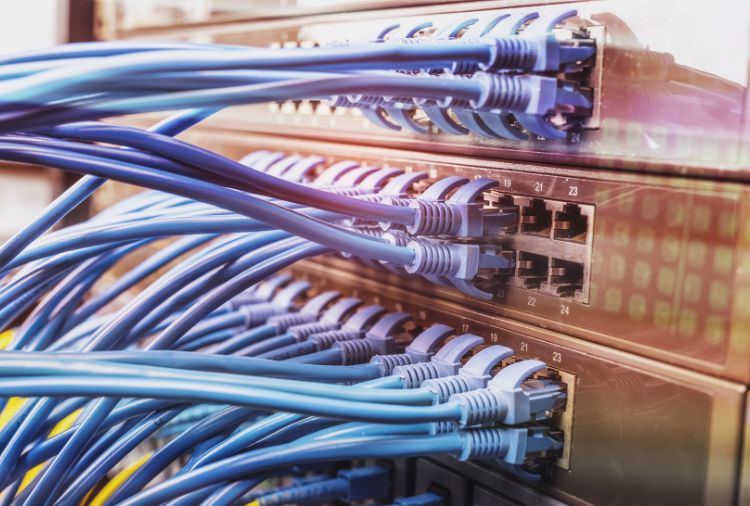
Blog: Frequency reference choices for packet networks
All modern transport networks are based on packet transport technologies. While synchronisation in digital networks has always been important, it has become absolutely critical..

Blog: How to choose oscillators for your 5G small cell deployment
With higher spectral frequencies and shorter reach, 5G networks are much denser than previous generations. Superfast 5G backhaul (mmWave) relies greatly on small cells, not just..
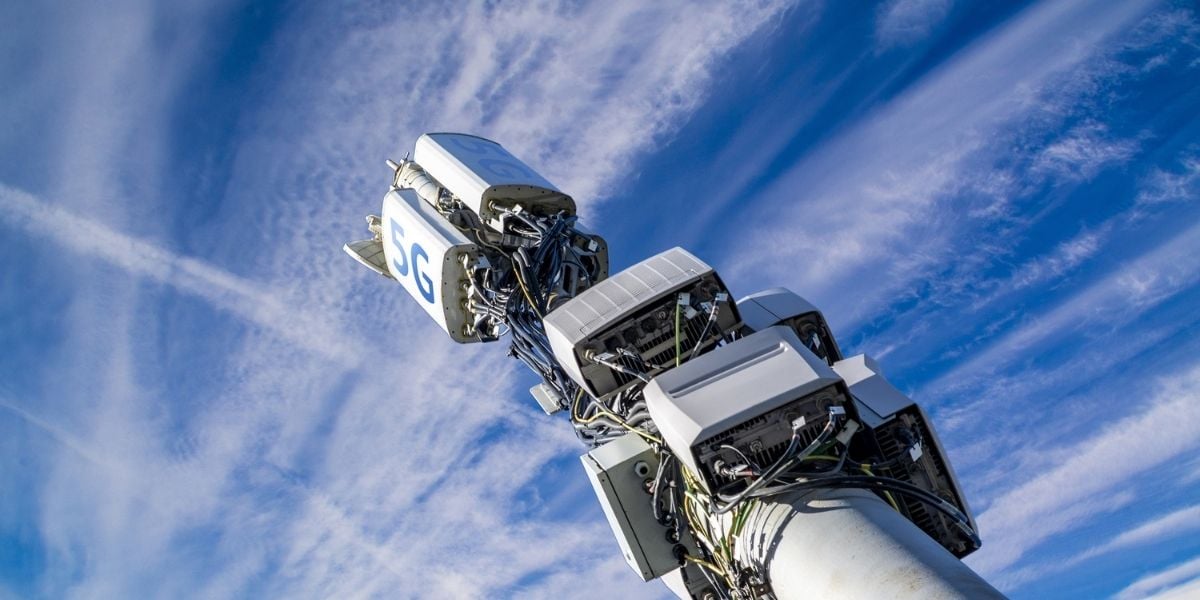
Blog: 5 key synchronisation challenges specific to 5G base stations
With the roll-out of 5G and initiatives such as the O-RAN alliance, the mobile equipment world is having its fair share of disruption, which certainly applies to base stations and..